Your Local Grocery Store Says More About You and Your Home’s Value
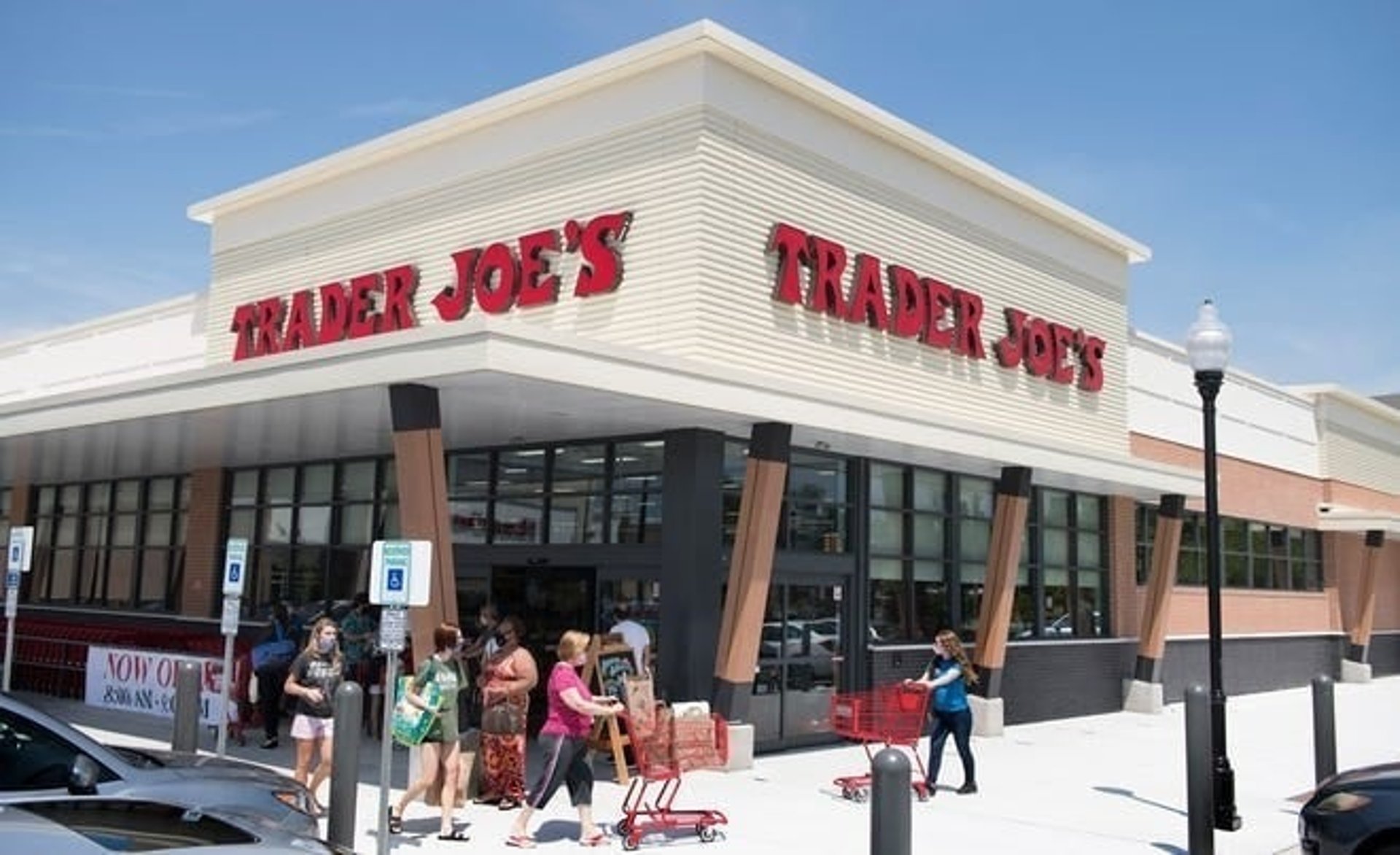
What does your local grocery store say?
It may seem too straightforward: Whole Foods stores tend to be in upscale, affluent neighborhoods, while discount stores like Dollar General are located in less economically prosperous communities. But the latest analysis shows that store openings have more to do with how grocery chains expect neighborhood populations — and home prices — to improve.
The report comes from Aziz Sunderji, who worked in investment banking for many years before launching a newspaper called Home Economics. For the analysis, he matched more than 32,000 store openings over nearly 50 years alongside home price data, and added Census demographics.
Sunderji found that home prices in ZIP codes where Trader Joe’s opened not only grew, but grew at a 6% faster rate than the national average over the next three years. But in ZIP codes where a Walmart has opened, home prices underperformed the national average by 4%.
Rich Gets Richer, Poor Will Get Poorer?
“I think people who are checking out Trader Joe’s and Walmart locations are looking to find a replacement location that will work for them,” Sunderji told USA TODAY.
Trader Joe’s, for example, may choose “well-educated, high-income people, (although) not in the most expensive areas,” he said.
Residents of neighborhoods where a Trader Joe’s store is opening are more likely to attend college: 52% have a bachelor’s degree, tied with Whole Foods for the highest rate of any chain and above the national average, Sunderji noted in his analysis. The median household income in those areas is $82,000 — also the highest of any chain — and median prices were $425,000 before the store arrived.
In contrast, Walmart’s customers are “lower income and probably in areas where home prices are rising faster.”
The average Walmart store opens in areas with a household income of $49,000, where 23% of adults have a college degree, and home values sit at $144,000, one-third of what homes in Trader Joe’s ZIP codes cost.
The disparity in wealth between “Walmart neighborhoods” and “Trader Joe’s neighborhoods” tells a bigger story, Sunderji thinks. “It’s like the story of the grocery store is like a window into a broader story going on in America about affordability and inequality,” he said. Those sellers tap into a sad truth about the American economy in recent years: Those at the top of the income-wealth divide are doing better, while the wealth of those at the bottom isn’t doing as well.
As Sunderji wrote in his report, “The K-shaped economy is going the way of grocery.”
This article first appeared in USA TODAY: Your grocery store reveals a lot about you and the value of your home
Reporting by Andrea Riquier, USA TODAY / USA TODAY
USA TODAY Network via Reuters Connect