Stagflation May Approach As Iran Conflict Continues And Oil Prices Top $100

The latest surge in energy markets is sending shockwaves through the global economy, shaking off the sense of calm that dominated Wall Street before the US and Israel launched strikes on Iran.
As oil prices once again exceed $100 a barrel, financial analysts are increasingly worried about the threat of a prolonged recession. Hopes that the White House will quickly wrap up a campaign to avoid inflation in the middle of a midterm election year are quickly fading.
Growing regional conflict
Fortune reports that geopolitical tensions are fueling major disruptions in global energy supply chains. Instability is mounting as attacks spread beyond Iran, with drones targeting Dubai and strikes hitting Kuwait’s airport. Meanwhile, oil tankers in the Persian Gulf have faced attacks without the assurances of a Navy escort.
According to analysts such as Jim Reid of Deutsche Bank, investors are pricing in a protracted conflict with significant economic damage.
The International Energy Agency has described the conflict as the worst global oil supply disruption on record. Iran has reportedly rejected the idea of a ceasefire, and President Donald Trump says there is “nothing left” to target.
Estimating the threat of stagflation
Inflation represents the worst case scenario – a combination of stagnant economic growth, rising unemployment, and chronic inflation. Currently, the domestic economy is flashing these warning signs.
Although inflation is driven by rising energy costs, the labor market is softening, with the unemployment rate sitting at 4.4%. At the same time, estimates of future GDP growth dropped to 1.4%.
Reid notes that without concrete evidence of a slowdown, the risk of a broader stagflationary shock is increasing. While the global economy is not fighting a pandemic like it did during the energy shock of 2022, the longer oil stays high, the more sustainable the economic damage will be.
The limit of recession
How much stress can the financial system take before going into a full-blown financial crisis? Economists suggest the safety net is shrinking.
Simulations by Oxford Economics experts Ryan Sweet and Ben May show a clear danger zone. If crude oil were to reach $140 per barrel for eight weeks, the world economy would experience a significant contraction, losing about 0.7% of global GDP by the end of 2026.
This worst-case scenario involves tightening financial market conditions and increasing supply chain disruptions, leaving the US at a standstill and increasing layoffs.
However, if oil is around $100 a barrel for two months, a recession is likely to be avoided, although inflation will still take a few tenths of a percent off global growth.
Navigating changing monetary policies
As central bankers weigh their next move, Wall Street’s expectations of how the Federal Reserve will respond are shifting.
Bank of America economist Aditya Bhave argues that the current situation actually sets up a more idiosyncratic response from the Federal Reserve than many expect.
Unlike the supply shock of 2022 when consumer demand was strong enough to withstand the impact, today’s economy shows a soft labor market, high average inflation, and limited financial support.
If the employment picture worsens and the energy shocks worsen, policymakers will stop austerity measures to keep the economy afloat.
Preparing your finances for results
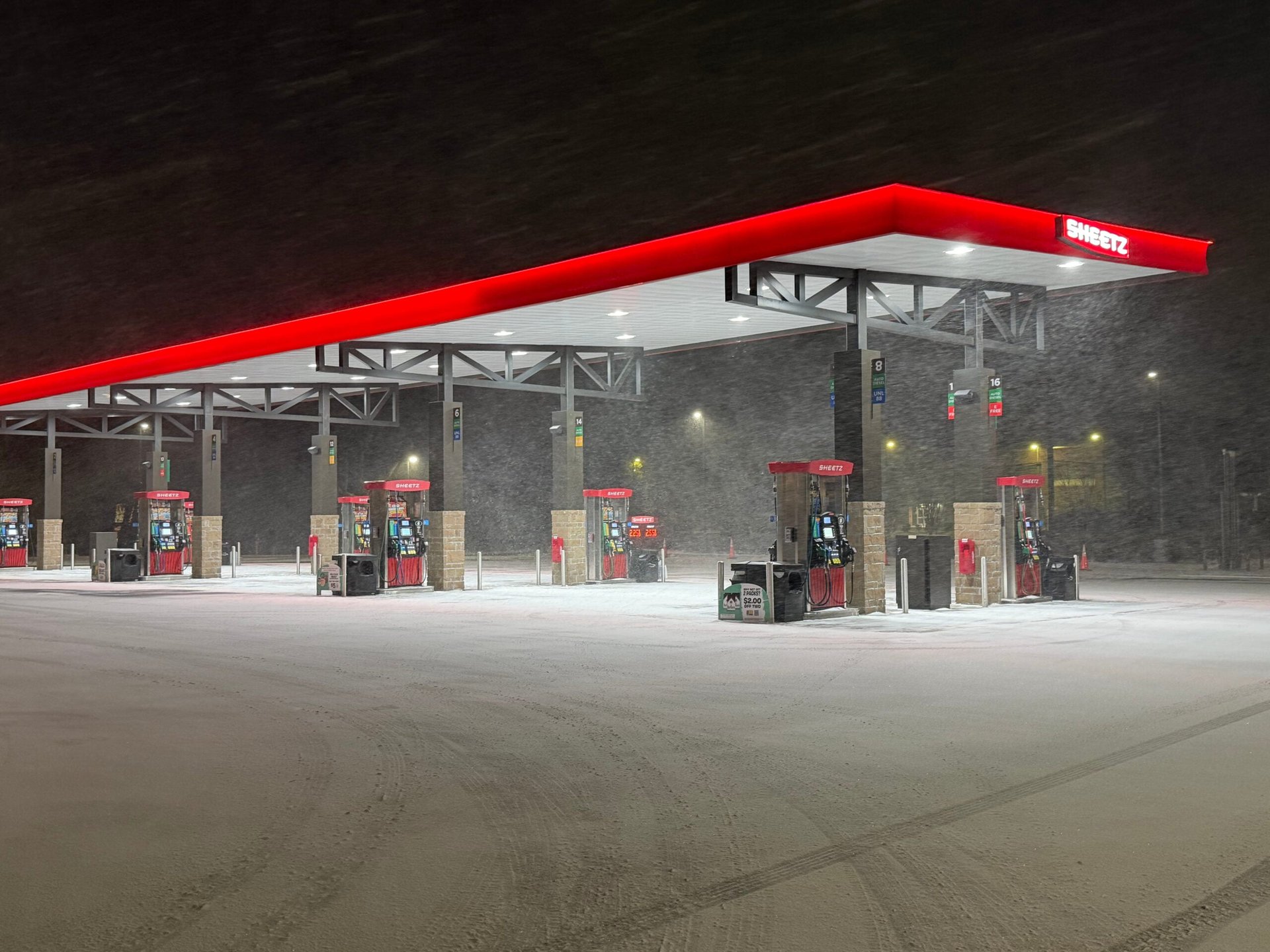
The immediate reality for many families is the sharp rise in the cost of daily living. When crude oil rises, the pain at the gas pump is only the first wave.
Higher transportation costs inevitably bleed into the price of groceries, household goods, and utility bills. Combined with a softening labor market, the margin for error in your monthly budget shrinks rapidly.
To deal with a possible period of inflation, your first step in defense is protecting your cash flow. Check your recurring expenses to see exactly where you can find the rising costs of gas and basic necessities.
Since the Federal Reserve’s interest rate path remains uncertain, holding variable rate debt is very risky. Focus on paying down credit card balances to protect yourself when policymakers impose higher rates to fight inflation.
It’s also an important time to stop big discretionary purchases. Building a strong reserve base now provides the necessary buffer against sudden price shocks and possible disruptions to business.
While you can’t control the volatility of global energy markets, reducing your debt obligations and strengthening your household budget will put you in a stronger position to handle the coming months.
If you have $100,000 to spare, now is the time to get advice from an expert. SmartAsset offers a free service that matches you with a vetted, trusted advisor in less than five minutes. Be prepared, don’t get caught.