Food Prices Cool, But Some Foods Are More Expensive in 2026
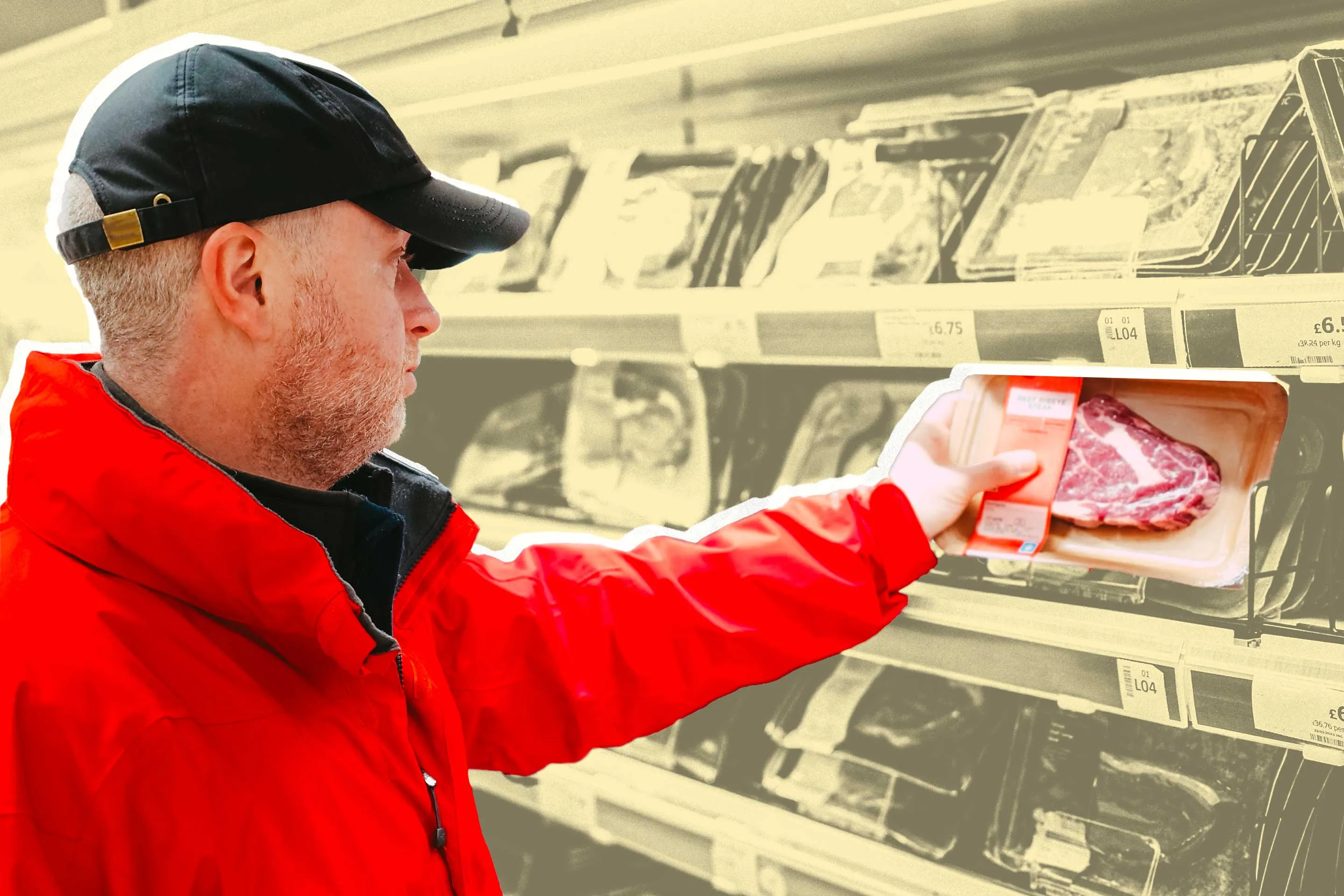
After years of persistent price increases, grocery costs are expected to decline in 2026, when household food inflation falls below average.
The US Department of Agriculture predicts that grocery prices will increase by about 1.7% in 2026, marking a decline from 2.3% in 2025 and from the 20-year average of 2.6%.
The estimate comes as a relief to Americans who have watched their grocery costs rise more than 25% over the past five years.
Most of the reduction comes from lower prices for eggs and dairy products, which are expected to decrease by 22.2% and 0.9%., respectively, according to the USDA.
On the other hand, some grocery prices are higher than usual. Here are a few foods that didn’t get the cost-cutting memo.
Red meat
The USDA expects prices for all meat — including seafood and poultry — to jump 4.3% in 2026, higher than the 3.1% average.
If you look closely, a few specific types of red meat are to blame. Beef and veal prices are forecast to rise by 9.4%, while the cost of other meats such as cold cuts and hot dogs will rise by 4.3%.
Meanwhile, the price of fish and seafood is expected to increase at a lower than average rate of 2.4%. Pork may be 0.3% cheaper.
Beef, in particular, has become increasingly expensive recently. Analysts say farmers have been dealing with drought, high interest rates and dwindling herds that have pushed up prices.
Sweets
Got a sweet tooth? I have bad news for you.
Sugar and sweets, such as candy, cookies and other desserts, are in line for big price increases. The USDA says the cost of these types of items will increase by 6.7%, more than double the historical average of 3.1%.
According to the World Economic Forum, drought caused by climate change affects sugar production overseas, and at home, the US maintains a long-term trade policy that restricts the amount of sugar food companies can import. Both factors increase prices.
Non-alcoholic beverages
Juices, coffee, teas, sodas and other drinks are going to be more expensive.
The USDA broadly classifies this under “non-alcoholic beverages” and estimates that prices will increase by 4.2% this year. Historically, the prices of these drinks tend to increase by 2.4% per year. Last year, they increased by 3.8%.
Some food
The USDA tracks prices for 15 food subcategories. This mainly includes meat, milk, eggs, fats, fruits, vegetables, sugar, sweets, grains, bakery products and non-alcoholic beverages.
Groceries such as condiments, spices, sauces, snacks, bars and other products that do not fit into the categories above are simply labeled as “other foods.”
Combined, prices for these types of groceries are estimated to rise 3.1% this year – significantly higher than last year’s 0.9% and the historical average of 2.4%.
PepsiCo, maker of Lay’s, Doritos and other snack foods, is trying to buck that trend. Earlier this month, the company said it was cutting the price of snacks by up to 15%.

More from Mali:
Here’s How Slower Income Growth Could Be Without Trump’s Taxes, According to a New Study
Trump Accounts for Kids: Who Qualifies for ‘Free Money’ and How to Sign Up
Can AI do your taxes? More importantly, Should You Allow It?