A Social Security Strategy That Looks Smart — But It’s Not
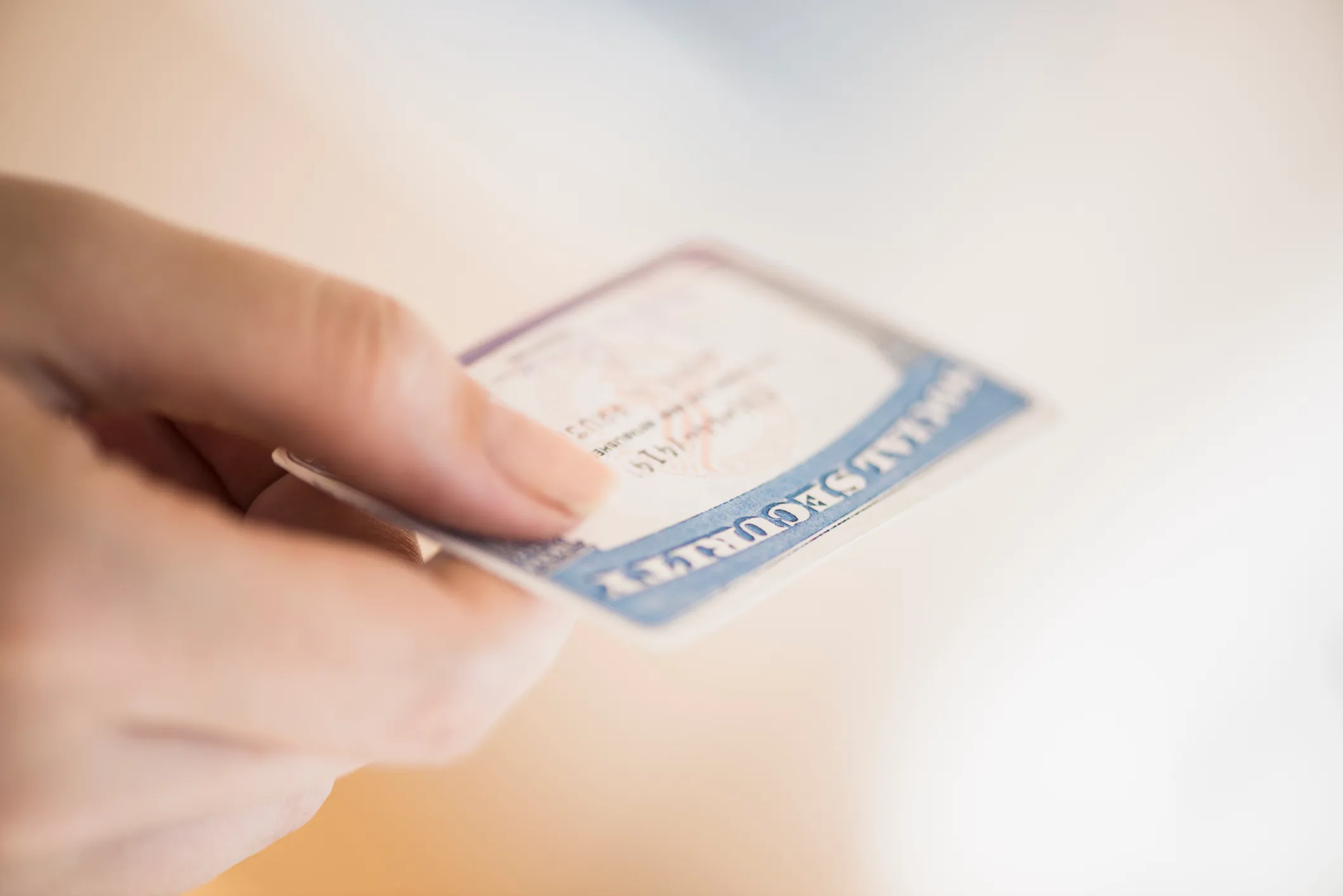
You can start taking Social Security as soon as you turn 62. Many people wait before tapping into their benefits, and some start receiving checks when they become available.
While drawing on Social Security at age 62 results in lower payouts, some people make up for it by saying they can spend money now and rely on saving later, or that they can invest now and make a higher return on their investment. However, using Social Security too early can cause costly mistakes, especially when you consider long-term calculations.
Why waiting means bigger checks
For Social Security, the maximum benefit in 2026 is $2,969 a month if you start receiving benefits at 62, compared to $5,181 a month if you wait until age 70.
You may be tempted to get your benefits QUICKLY and invest them. But remember that when you invest your Social Security benefits, you’re relying on the stock markets to do well. Markets are volatile, and your money doesn’t have as much time to recover as it would for a younger investor, since you’re close to needing the money.
If you wait a few extra years before you can take Social Security, you may also work longer, which could result in higher payments. Social Security evaluates your lifetime earnings and takes into account your 35 most productive years when calculating how much to give you, so if you work a few more years where you earn more than you did at the beginning of your career, you can change the years of the lowest income to the highest. Higher benefits usually translate to higher profits.
Explore Medicines: GLP-1 medically supervised weight loss with unlimited access to doctors
Long-term statistics
If you take out Social Security right away and only save $2,969 a month, that may not be enough to cover living expenses. Taking out Social Security can also lead to early retirement, which isn’t the right move for everyone. While earning $2,969 a month at 62 brings in more income at the start than $5,181 a month at 70, you’re locked into a lower income than that if you wait.
It’s much easier to pay expenses for $5,181 a month than to pay expenses for $2,969 a month. Both Social Security checks will be adjusted for inflation, but even if they increase by the same percentage, you get more money in your check each year if you have a higher initial income. Higher Social Security checks may also provide long-term peace of mind, while rushing to collect smaller checks may lead to poor financial decisions, such as early retirement.
Need Money? Check out Credible’s personal loan options
How to decide when to tap social security
Remember that the best time to take Social Security will depend on things like your financial situation and your spouse’s benefit options. For some people, taking benefits as soon as they turn 62 may make sense or be necessary.
But in general, you don’t have to take Social Security at 62 if you have a solid financial plan, savings and other forms of income. Working a few extra years (which may include part-time work or side gigs) or relying on other retirement savings accounts can help cover expenses while you delay tapping Social Security. Downsizing can be a way to make more money so you can pay off Social Security.
Are you looking for a long lost friend or family member? Check out BeenVerified and start researching