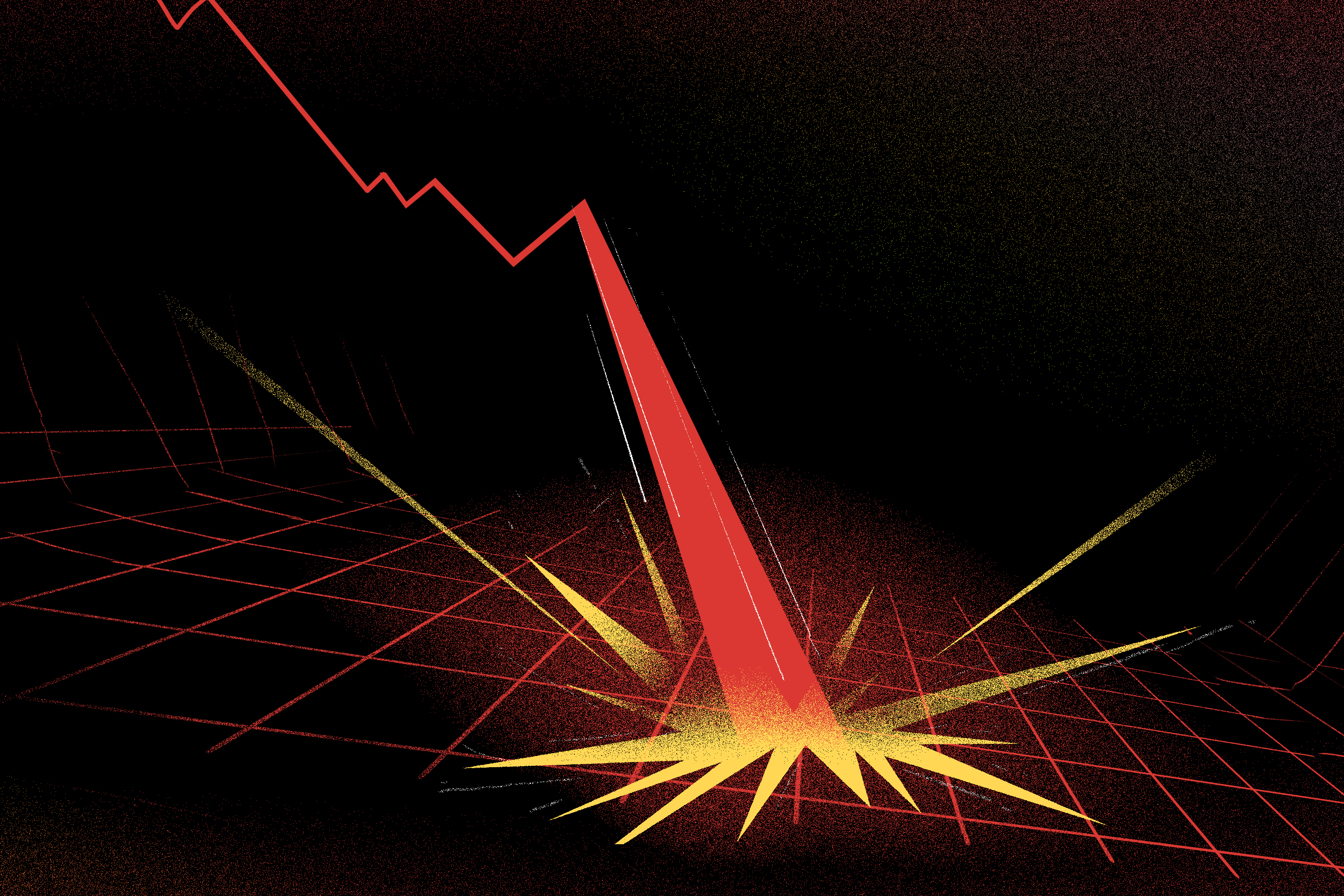
What New Crypto Owners Need to Understand About Volatility

Imagine this: You buy your first cryptocurrency on Tuesday. On Friday, we were down 15% and the following Monday, we were down 10%. You never sleep so you can check the price and find the right time to sell and make money.
While that scenario sounds stressful, it is very possible, given the ups and downs of crypto markets. Price changes of that magnitude (and worse) are not crash warning signs or signals to sell — it’s just another day of the week.
Many new investors are not prepared to deal with this level of volatility. While the headlines include crypto crashes and rallies, it is important to understand why these changes occur and how they affect individual decisions.

Why is crypto so volatile
The crypto market is still a fraction of the size of the global stock and bond markets, meaning that relatively small amounts of money moving in or out can have a big impact on prices. For example, when one investor makes a large trade, ripples can be felt throughout the crypto market.
The value of cryptocurrency may also be unclear. Stocks are tied to the underlying performance of companies, which can be measured by metrics such as profits, assets and cash flow, while bonds pay predictable dividends. Cryptocurrency has no equal because its value is largely determined by what market participants believe it to be worth. And when uncertain investors value the asset, its value may change even more.
Add in the fact that crypto trades 24 hours a day, seven days a week with no circuit breakers to stop trading during a free fall, and it’s easy to see why the digital asset is so volatile. Traditional stock markets have built-in mechanisms that stop trading when prices drop too much. Crypto doesn’t have the same guardrails across the industry, and a round of bad news at 2 a.m. or on the weekend — like when renewed fears of a trade war sent bitcoin poring in October — can do as much damage as one during business hours.
It is worth noting that not all cryptos are equally volatile. Bitcoin tends to be more stable than alternatives (also known as altcoins), which can swing up to 50% in a matter of days. This is especially true for memecoins, such as dogecoin, which primarily derive their price from social media momentum.
Stablecoins tend to hold their value because they are pegged to stable assets like the US dollar. But this currency is designed to act as a bridge between fiat currency and the broader crypto ecosystem, not just as a growth investment.
How consistency can mess with your head
When it comes to volatility, panic selling and FOMO buying are two common mistakes new crypto owners can make.
Panic selling can happen when a sharp decline causes fear. To stop the bleeding, the investor sells his coins immediately to watch the prices recover days or weeks later. Others may try to “catch the falling knife,” rushing to buy a declining coin under the assumption that it will hit the bottom, only to watch it drop further.
FOMO, or fear of missing out, works the other way around. You may see a coin price rise and buy near the peak to avoid being left out. Then, if the course corrects, you are left with less than what you originally invested.
Both behaviors are completely understandable, but also expensive. Research such as DALBAR’s annual report on investor trends consistently shows that emotional, active trading often underperforms standing still.
Focusing too much on crypto can make things worse. When prices go up, it’s easy to feel like they’re going to stay in an uptrend. But investors with a more diversified portfolio – those who have more of their portfolio exposed to crypto and not enough to other assets such as stocks and bonds – will see their portfolio take a bigger hit when a downturn occurs, which can lead to selling at the worst possible time.
Overestimating the price is also not helpful. Crypto prices fluctuate frequently and often for no apparent reason, so looking at your portfolio every few hours won’t give you much useful information. But it can keep you in a state of anxiety that makes you easy to make emotional decisions.
Develop a strategy that can handle swings
An important rule to follow when investing in crypto is to only invest what you can afford to lose completely. If a 50% drop in your assets would reasonably affect your financial stability, you are overexposed.
Another effective way to navigate volatile markets is dollar cost-balancing, a strategy that involves investing a fixed amount in a regular schedule — say, $50 every two weeks — regardless of price. Over time, this smooths your entry point and takes the pressure off trying to time the market.
Diversification is another important strategy for investors. Spreading your investment across several established cryptocurrencies is generally less risky than concentrating on one. And most importantly, crypto should not dominate your entire investment portfolio. Traditional assets like stocks and bonds have a long track record of building wealth gradually over time and are likely to help you achieve your long-term investment goals. Many financial advisors suggest treating crypto as a high-risk, high-reward piece of the proverbial pie and don’t invest more than 5% of your portfolio.
Finally, have an exit plan before you need it. Decide in advance under what conditions you will sell, whether that is a certain price, a percentage gain or a life event that requires money. Investors who make decisions before volatility strikes tend to stick with them, while those who wait until the market moves may make decisions they will regret.
More from Mali:
Best Crypto Wallets
Is Bitcoin Safe?
3 Reasons Investors Should Avoid Reacting to Stock Market Volatility