Millions of Americans Could Be Owed Tax Refunds From Covid. How to get it.
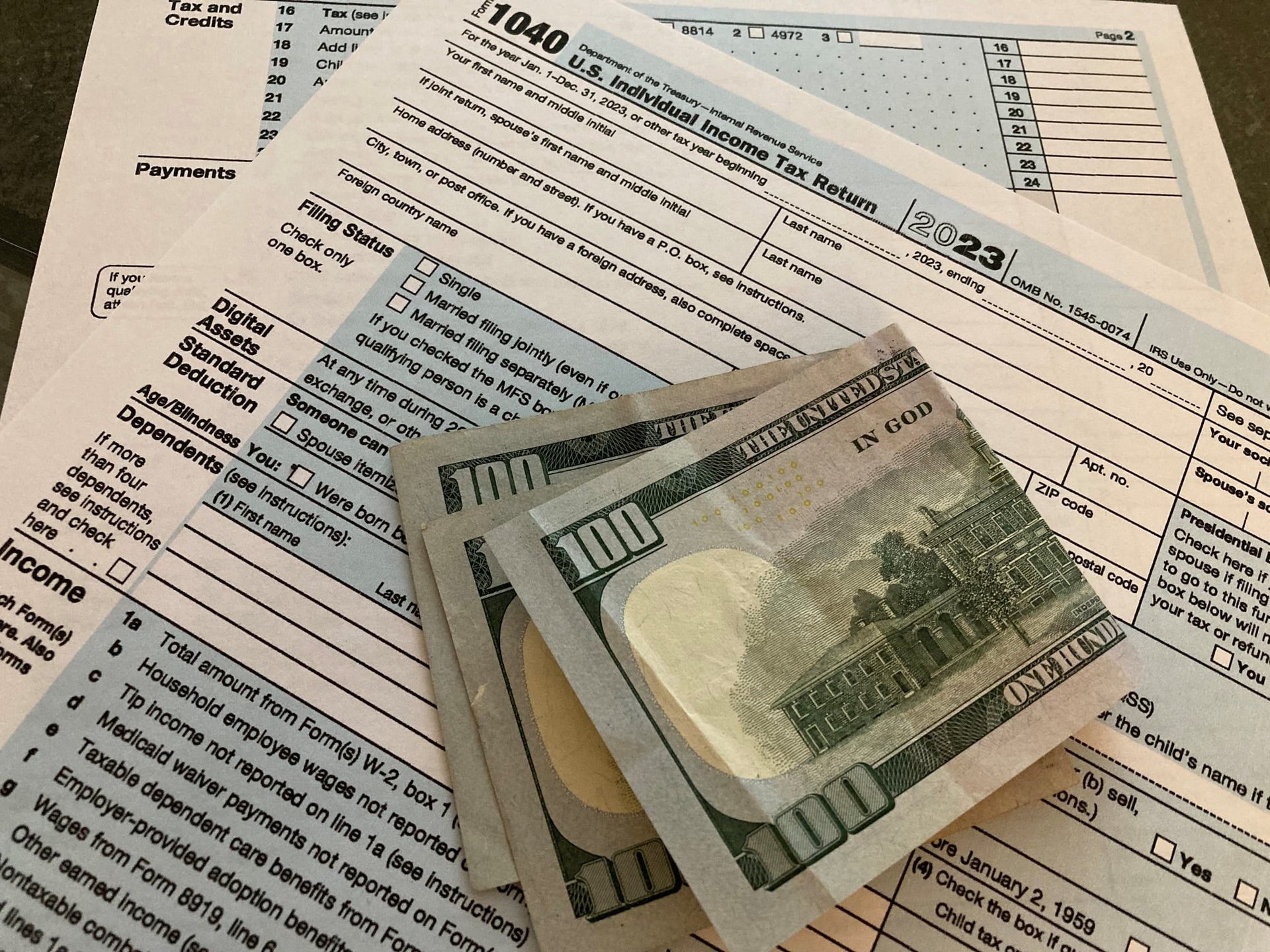
Americans may be happy to put the memories of the COVID-19 pandemic behind them, but it may be worth rekindling the past to see if they can get an IRS refund, tax advocates say.
Once a federally declared disaster is in effect, tax code Section 7508A(d) authorizes a postponement of the applicable tax deadlines during the period of the disaster plus 60 days. A federal court ruled last November that the public health emergency of COVID-19 from January 20, 2020, until May 11, 2023, would be subject to this provision. Add 60 days, and the new tax deadline for the 2019, 2020, 2021 and 2022 tax years for filing would be July 10, 2023.
Without taxes due, the IRS probably had no right to charge penalties and interest in that window, tax lawyers say. Therefore, if you have been charged fines or fees, you may be paid a refund, they said.
The IRS will likely appeal the decision, but taxpayers can’t wait that long to file a claim. By law, taxpayers only have a limited amount of time to file for a potential refund or reduced penalties or interest.
“Millions of taxpayers could be eligible, but if people don’t file before July 10, 2026, they’re missing out on a refund or abatement,” said Jon Wasser, a Fox Rothschild tax partner.
1. Who is eligible?
Any business or fines charged to an individual or interest between Jan. 20, 2020, and July 10, 2023, he may be eligible to seek restitution, lawyers said.
“Potential dollar amounts can be significant, especially for businesses that have faced cash flow challenges during the crisis and incurred fines for failing to pay (taxes),” wrote Jessica Marine, a partner at Frost Law, in a blog post last month.
In February, Western Digital sued the government, seeking a refund of part of the $53.6 million it paid in taxes by August 2023 when its tax dispute that began in 2008 was resolved. The data storage company said it should not have been charged about $21 million during the pandemic shutdown.
2. Why is there an application deadline and when?
The statute of limitations for refund claims generally runs three years from the time the refund was filed or two years from the time the tax was paid, whichever is later, lawyers said.
Since the court’s November ruling suggested that the tax deadline be moved to July 10, 2023, three years from that date will be July 10, 2026 — the last day to file your claim for a potential refund or abatement, Wasser said.
3. How does one know if they may owe a refund?
Taxpayers need to check their tax records to see if the IRS has charged penalties or interest during the temporary suspension of tax filing, Wasser said. They can do that by asking their tax professional or by looking at their IRS tax documents.
The IRS tax account documents show each year’s tax information, including filing status, taxable income and adjustments made after processing the original return. It also shows payments, penalties and interest with the dates they were made or assessed.
Tax account statements are available online by registering to use an individual’s Online Account to view, print, or download, or by mail, according to the IRS. Americans can order one by mail from the IRS website or by calling the automated phone transcription service at 800-908-9946. It should arrive in five to 10 calendar days.
4. How do I get a refund?
Tax professionals can file claims on behalf of the taxpayer, or the taxpayer can file a claim using IRS Form 843, apply for a refund and request a withdrawal, using information from the tax return, Wasser said.
The taxpayer must specify on the form that it is a defensive claim based on the decision of Kwong v. United States regarding Section 7508A(d) and the timing of the COVID-19 crisis, lawyers said.
“You’re basically telling the IRS, ‘here’s a refund claim, put it on hold for now'” until the case has a final decision, Wasser said. If, after all claims are settled and the IRS has to issue a refund, you would have retained your right to claim yours.
“You just need to put the IRS on notice now,” Wasser said.
Medora Lee is a money, markets, and personal finance reporter for USA TODAY. You can find him at [email protected] and subscribe to our free Daily Money newsletter for personal finance tips and business news every Monday through Friday.
This article first appeared in USA TODAY: Millions of Americans may be owed tax refunds from COVID. How to get it.
Reported by Medora Lee, USA TODAY / USA TODAY
USA TODAY Network via Reuters Connect