Warren Buffett’s Warning About This Risk in the Stock Market
Is a $5 stock a bargain, and a $500 stock overpriced? Even experienced investors can’t answer that question because there probably isn’t enough information – and it’s important to get all the information you need before buying.
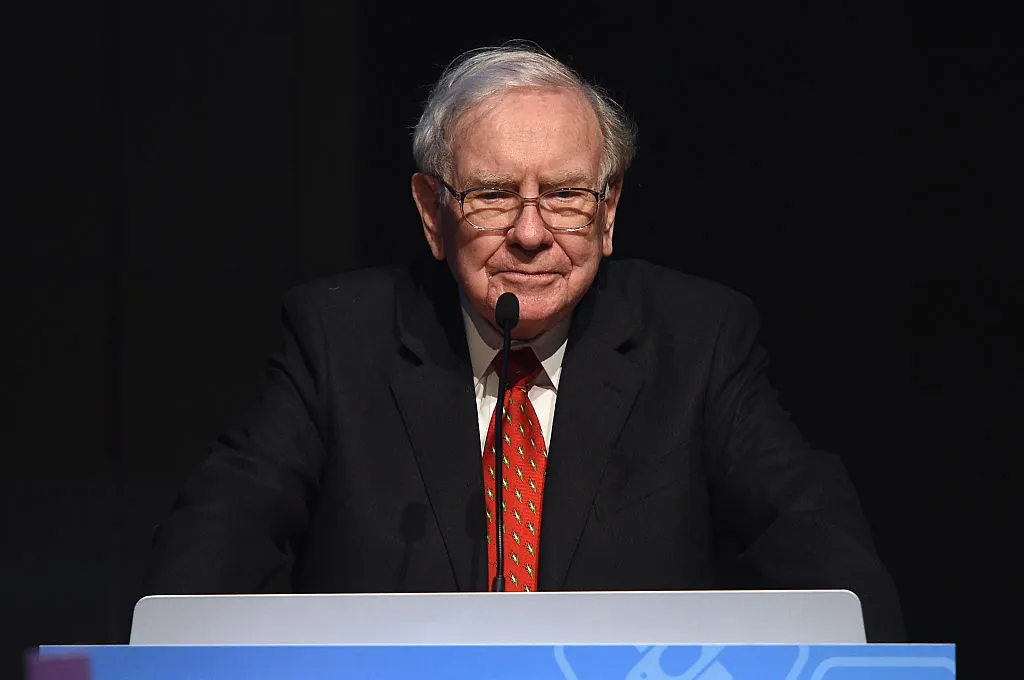
The famous investor Warren Buffett who managed Berkshire Hathaway for 60 years often warns investors about the biggest investment mistake: overpaying for stocks. Even a strong company’s stock can be a bad buy if the stock price is too high, according to Buffett.
In other words, just because a stock looks cheap, doesn’t mean it should be bought. In fact, often a stock may be cheap for a reason. Here’s how you can tell if a stock is priced right so you can avoid overpaying.
Pet bills can cost thousands – see how much pet insurance can cost you
Risk: paying too much for stocks
Investors can use a few metrics to help them gauge whether a stock is worth the money. The price-to-earnings ratio (P/E ratio) shows the value of a company’s stock in relation to its earnings per share. If a stock is undervalued, it is usually undervalued relative to the company’s earnings.
A stock’s debt-to-equity ratio provides insight into a company’s financial health. It shows how much the company relies on debt, so a high ratio may indicate that the company relies heavily on borrowing, which may indicate risk. There is return on equity, too, which shows how effectively a company can turn shareholder capital into revenue growth.
It is also important to avoid investing in stocks because they have high yields. While a higher yield translates into more cash flow, that higher yield may be short-lived.
Still paying for a subscription you’re not using? See what you can cancel
Why this mistake is dangerous especially after 50 years
An investment mistake will hurt at any age, but it can be especially dangerous in your 50s or older because your investment portfolio has less time to multiply. When retirement is approaching, the 10% and 20% market declines that did not scare you in 20 years may cause more stress in the short term.
Mismanagement of funds and succumbing to emotions during periods of volatility – including buying a stock just because it looks cheap – can lead to huge losses. Chasing yield and ignoring valuations can lead to long-term pain even if those assets have promising short-term momentum.
Increase your investment confidence with expertly selected stock picks
How to reduce risk
Buffett had a risk-averse approach to investing, and was a proponent of buying high-quality companies at reasonable prices.
You look at a company’s fundamentals before deciding whether it offers a solid buying opportunity. You can look at metrics to make sure you are not buying stocks at high price levels.
But diversifying your portfolio across several sectors is one of the best ways to reduce risk, and retirees can do this by investing in exchange-traded funds (ETFs) and mutual funds. The average dollar cost of these funds helps ensure you get more exposure each month.