When Can You Start Filing Taxes?
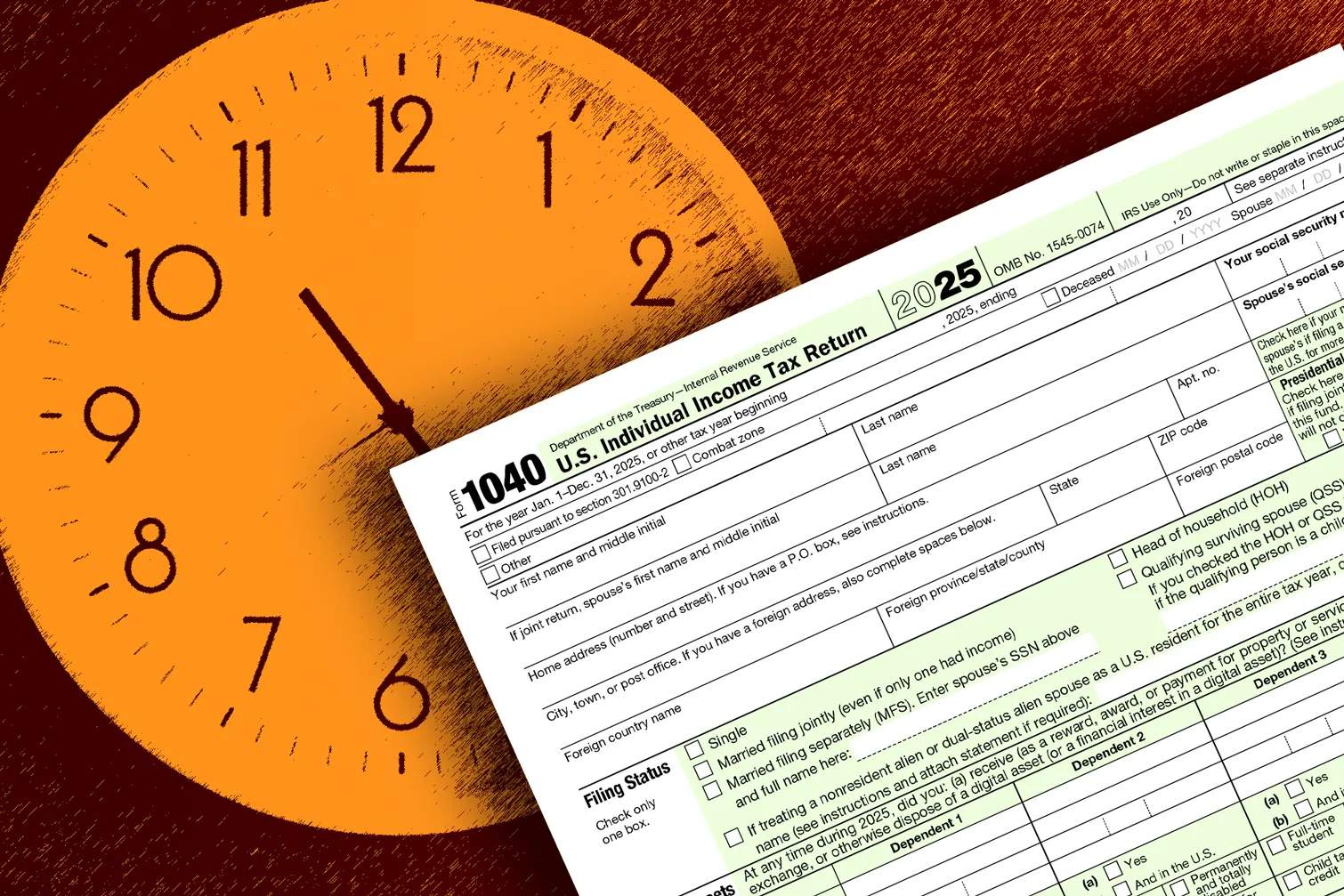
It may be winter, but just like those April showers, Tax Day will be here before you know it.
Although it’s tempting to put off filing taxes until the last minute, it’s wise not to. If you run out of time and file your taxes late, you can expect to receive penalties and, if you owe taxes, interest payments on top of the money you already owe. (Getting an extension on your taxes gives you more time to file your return. You still have to pay what you owe by April 15.)
You can avoid all that hassle and expense by filing your taxes early; In fact, you can file your taxes today if you want. The IRS is already accepting tax returns for 2025. Here’s what you need to know.
Need to file your taxes? See how you can maximize your return this year with TurboTax.
When can you start filing federal tax returns?
Not the type to wait until the last minute? First of all, good for you! Postponing your taxes is a headache cure. Also, if you owe a refund, the sooner you send, the sooner you can get your money, assuming there are no problems processing your refund.
The calendar date for when tax filing season begins each year varies, but the IRS usually puts it in late January or early February (sort of like the Super Bowl).
Tax Day is always on or around April 15, the date being moved only to include weekends and holidays. This year is no different; Tax Day 2026 is April 15.
However, the date the IRS chooses to start the filing season each year depends on many factors, including changes in tax law and the agency’s overall readiness.
This year, the IRS announced that it will begin accepting tax returns for 2025 on Jan. 26, which means we are already in this year’s season. (If you filed with a tax preparer or accountant before then, they simply hold your return until the filing period opens).
Although taxpayers had the option last year to use the IRS’s free Direct File tool to file simple returns, the agency confirmed in November that it was ending the program. The news followed months of speculation that it was in the recording phase, despite more than 140,000 taxpayers using it by 2024.
Direct File is different from Free File, a long-standing partnership the IRS has with major tax preparation software firms that is available to individuals and families with adjusted income of $84,000 or less.
Whether you use Free File or another platform to file your taxes, you need to gather the appropriate documents beforehand. This includes your W-2 if you earn a salary or wages, and 1099s if you receive income from other sources such as self-employment or interest on a bank account balance.
If you don’t have a bank account, opening one soon should be on your to-do list. The IRS announced last fall that, with a few limited exceptions, it is eliminating paper refund checks.
About 93% of refunds are already sent as direct deposit, which the agency says allows it to distribute refunds faster and more cost-effectively. But if you’re one of the remaining 7% still opting for the old-school ways, creating an account at a bank or credit union will help ensure you can get your refund on time.
When can you start filing state taxes?
Although state taxes are not handled by the IRS, most tax collection agencies follow the same calendar as their federal counterparts.
Although most states’ tax calendars are the same as the IRS, there are exceptions: Hawaii and Oklahoma, for example, give you until April 20. (In Oklahoma, you need to file electronically to get those five extra days). Delaware, Iowa and New Mexico (for electronic filings) have deadlines of April 30. South Carolina (if filing electronically) and Virginia have deadlines of May 1, and nine states charge no tax at all.
IRS Approved: Learn how E-file.com can help with your taxes this year.
Why file taxes early?
Most people don’t look forward to filing their taxes as soon as possible, but filing early — especially if you have a more complicated return — is a smart move.
First, if you’re expecting a refund, filing faster means getting that money faster. (And if you owe back taxes, you’ll at least have a few months to work that payment into your budget.) Filing your taxes early means you’re less likely to fall victim to an identity theft scam where a criminal impersonates you to steal your refund. While the IRS and states have been cracking down on this practice, it’s still dangerous.
Waiting until the last minute means you will probably have more company. With more people filing online these days, the days of long lines at the post office to have taxes marked as due are over. But if you have to contact the IRS or need any kind of help with filing your taxes, you can find yourself in a very long virtual line if you procrastinate. Installing early means you’re less likely to experience long delays in customer service lines or overcrowded websites.
In 2026, this conventional wisdom is even more true than usual: The combination of major tax changes introduced by the One Big Beautiful Bill and the reduction of 20,000 IRS employees could result in delays in processing returns and longer wait times for customer service, the agency warned in a memo earlier this year. Especially if you have a complicated tax situation or expect to need help, you’ll want to beat the rush.
And, if you’re paying for tax preparation help, waiting to file can be costly: It’s become a common strategy for major tax preparation firms to adjust (read: raise) the prices of their services as we approach April 15.
More from Mali:
Trump’s Tax Cuts Will Change How Millions of Americans File in 2026: Are You One of Them?
Here are the Income Tax Brackets for this year
From New Deductions to Big Refunds, Here Are the 8 Biggest Tax Changes in 2026