Winter Heating Costs Set to Jump Almost 10% This Year
Winter heating costs are expected to rise significantly this season, with costs expected to increase by 9.2% compared to last year. New estimates from the National Energy Assistance Directors Association, or NEADA, show that the average US household will spend $995 on heating this winter — $84 more than last year.
Homes that rely on electric heating are likely to see the biggest jump, with costs rising by 12.2%, while homes that use natural gas can expect an increase of 8.4%. Those using heating oil or propane should see little change from last year.
“These increases may not sound surprising to high-income families, but for families who are already struggling, they are devastating,” said Mark Wolfe, executive director of NEADA, in the report. “Millions of households are deep in municipal debt and close to foreclosure simply because they can’t keep their homes warm.”
Electricity costs rose sharply, reaching their highest level in a decade after adjusting for inflation. Since the beginning of the year, the average monthly electric bill has increased nearly 10%, growing faster than wages and overall inflation, according to NEADA. A separate analysis from Climate Power found that US electricity bills will increase by nearly 13% by 2025, reflecting broader trends in energy supply and demand.
As of 2021, the average cost of electricity per kilowatt-hour is up 27.9%, and the average monthly building bill is up nearly 30%, according to NEADA.
NEADA points to several factors behind the increase, including high grid financing costs, growing reliance on natural gas, growing demand for data centers, aging infrastructure and regional energy shortages.
The rising costs are likely to hit households that rely on government assistance the hardest. Funding for the Low-Income Home Energy Assistance Program, or LIHEAP — a federally funded program that helps cover immediate home energy needs — fell to $4.1 billion this year, down from $6.1 billion two years ago.
An estimated 6.7 million households are currently enrolled in the program, meaning even a small increase in heating costs could strain already tight budgets and force tough trade-offs between paying bills and paying other priorities.
Tips to save on energy costs in winter
For households facing high energy bills this winter, experts say small, consistent changes at home can help blunt the impact.
“The quickest way to reduce winter heating costs is to stop paying for heat you can’t keep – which means starting with insulation and ventilation before anything else,” says Paul Hines, vice president of energy systems at EnergyHub.
“Improper doors, leaky windows and poor insulation force heating systems to run longer than necessary, driving up bills. Even simple insulation repairs can make a noticeable difference.”
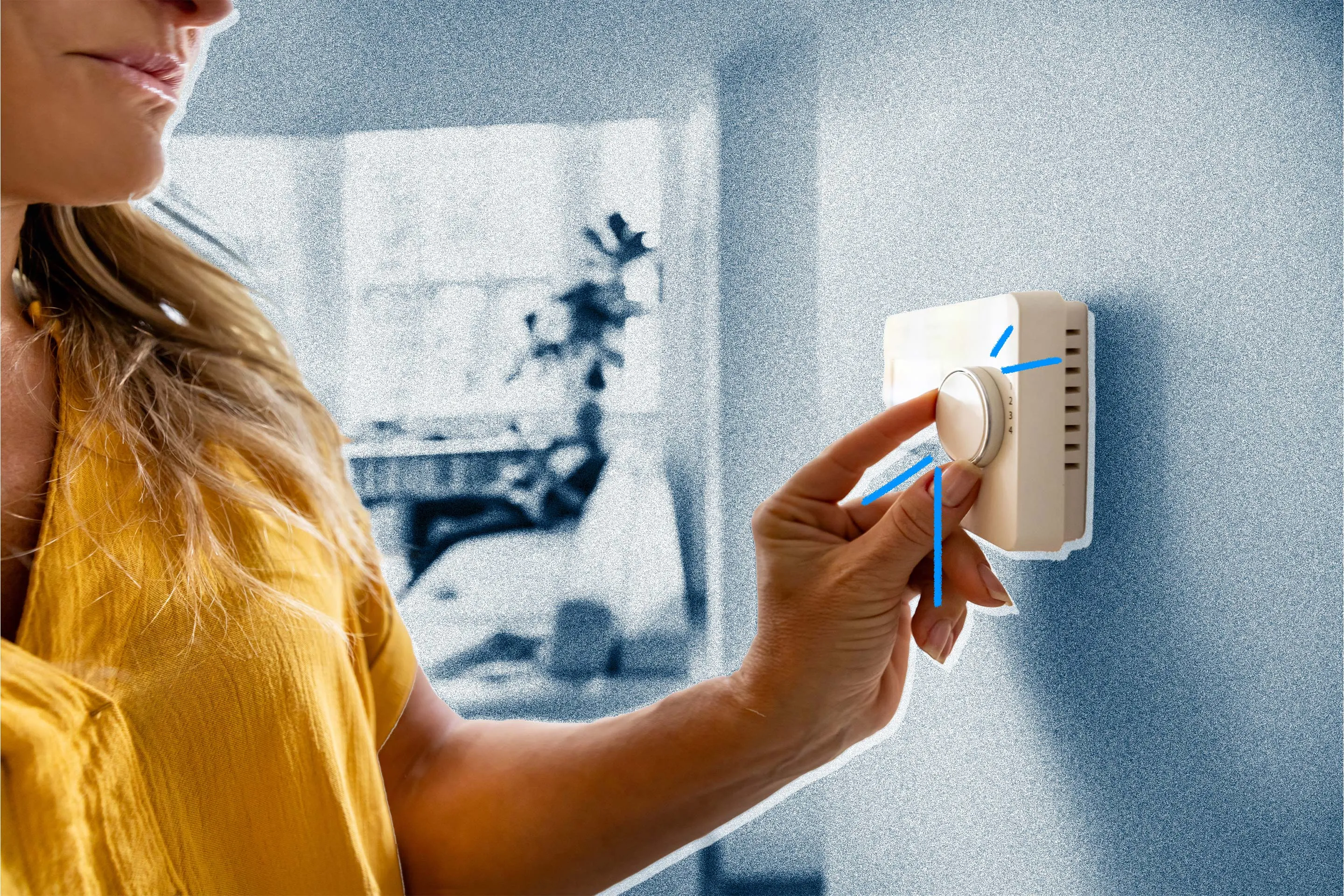
Another practical step is to adjust your thermostat.
“Being smart about your thermostat is one of the most effective ways to reduce your energy use,” said Kate Colarulli, chief strategy officer at CleanChoice Energy.
During the winter months, keeping indoor temperatures between 60 and 67 degrees Fahrenheit at night and around 68 degrees during the day can help keep heating bills down.
Colarulli also highlights the importance of a smart thermostat, which can automatically lower temperatures when you are away or asleep. According to data from Energy Star, households that use a programmable or smart thermostat can save up to $180 a year on energy costs.
Using cold water for laundry can further reduce costs. Hot water makes up about 90% of the energy used in washing machines, and switching to cold water can save you up to $0.80 per load (or about $160 a year if you wash four loads a week).
Matt Plouffe, energy expert at Efficiency Vermont, advises on effective space heating strategies. Electric space heaters are among the most expensive ways to heat a home, so he suggests using blankets or drapes whenever possible. If a plug-in heater is needed, focus on heating a small room safely and make sure furniture, carpets and drapes don’t block airflow.
Finally, Hines says many households are missing out on savings by simply ignoring utility and property incentives designed to lower energy costs: “Rebates for energy audits, climate control and efficient heating systems like heat pumps can significantly reduce costs and make efficiency improvements more affordable.”
Resources like Rewiring America can help homeowners and renters identify federal, state and utility programs they may qualify for based on where they live.
To see the real difference, experts recommend focusing on energy-affecting habits that you can actually save. Air-drying clothes, using appliances during off-peak hours and keeping thermostat settings constant throughout the season can help families stay comfortable while limiting the impact of rising heating costs.

More from Mali:
Your Heating Bill Will Skyrocket This Winter. Here’s What To Do With It
3 Ways Smart Home Devices Can Save You Money
Gas vs. Electric Heating: Which is Cheaper?