7 Daily Habits That Are Silently Costing You Thousands of Dollars a Year
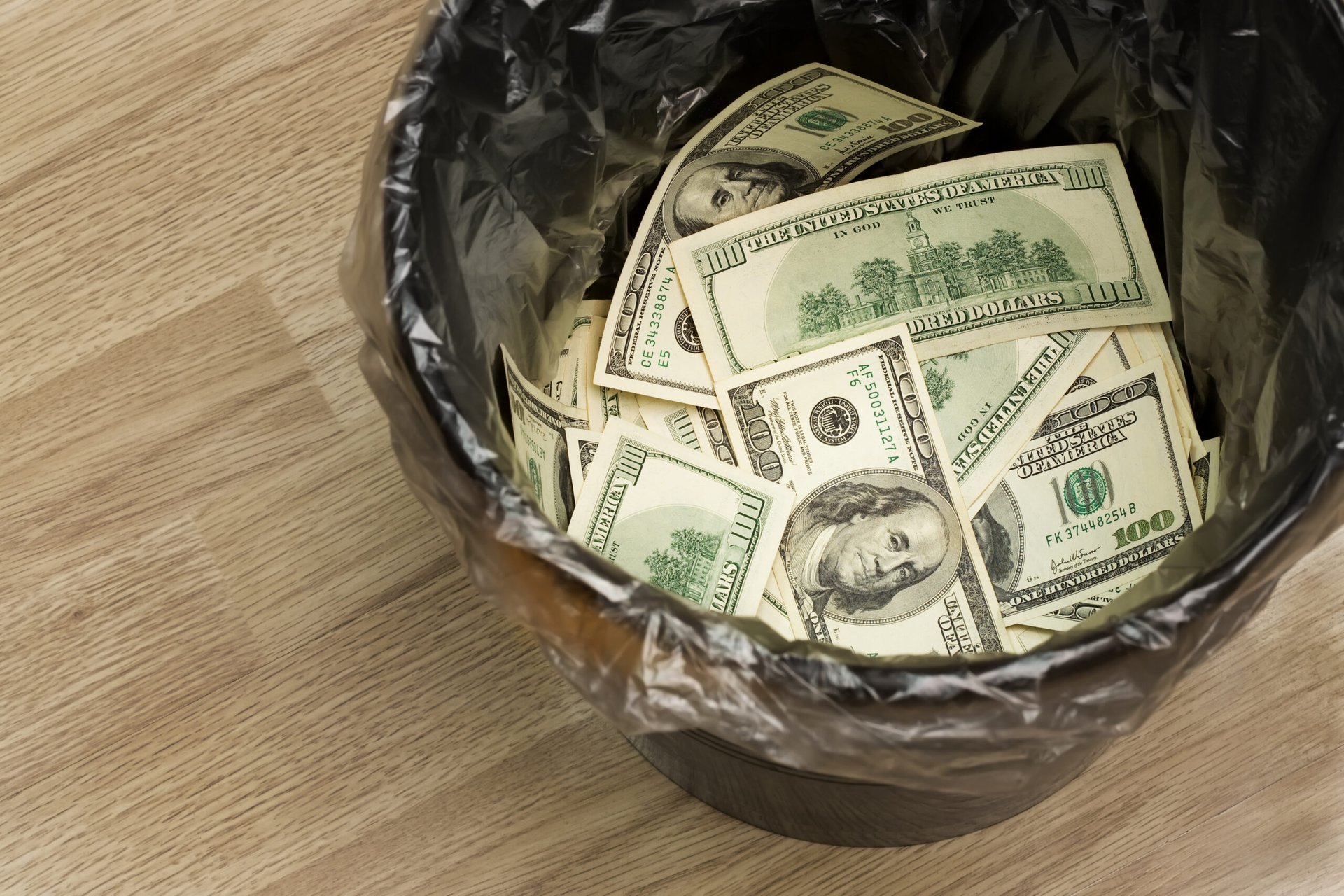
You may think your finances are in good shape because you avoid unexpected purchases like designer handbags or high-end electronics. However, fortunes rarely disappear in one big leap. Instead, it tends to evaporate in a series of small, almost invisible leaks.
These little habits seem harmless at the moment – a few dollars here, a little money there. But when you consider the cumulative impact over the course of a year, these decisions can cost you thousands of dollars. By identifying and plugging these leaks, you can quickly increase your income without feeling like you’ve sacrificed your lifestyle.
1. Paying for a silent subscription
It’s incredibly easy to sign up for a free trial or niche streaming service and forget about it entirely. These zombie costs stay just under your radar, but they’re big enough to derail your long-term goals.
Digital clutter is a major drag on the modern budget. Whether it’s a fitness app you stopped using months ago or a premium news site you no longer read, these recurring expenses act like a slow-draining faucet. You should check your accounts and keep only those that you use regularly to give yourself quick financial leverage.
2. Choosing to make it easier than selling prices
A corner store or gas station snack that you eat while gassing up saves you a lot of time, but you pay a hefty price for it. Things like bottled water can be more expensive at the gas station than buying in bulk at the grocery store.
That gas station doesn’t just sell gas — it’s a carefully designed machine that dispenses money. If you forgo gas, overpriced snacks and drinks can easily add $15 to $20 to your bill. Planning ahead by buying these basics during your weekly grocery run allows you to avoid the luxury tax.
3. Ignoring the cost of energy vampires
Many electronics in your home continue to draw power even when they are turned off. This phenomenon – often referred to as phantom power – accounts for a staggering portion of your monthly utility bill.
Devices like TVs are one of the biggest problems. Using smart electrical strips or simply unplugging the electronics you use regularly can stop this silent flow.
4. Regular use of food delivery apps
The rise of delivery platforms has made it incredibly easy to get any food delivered to your doorstep, but the hidden costs are staggering. Between delivery charges, service charges and inflated menu prices, you’re often paying more than the advertised price.
Recent lawsuits have even accused platforms of using deceptive pricing tactics to hide the true cost of convenience. Switching to the habit of ordering pickup keeps that money in your pocket while still allowing you to enjoy your favorite restaurant meals.
5. Falling into the trap of buying less
We tend to consider larger purchases while giving ourselves a chance on items that cost less than $10. This is the belief that just because something is cheap, it doesn’t affect your financial health.
Daily habits like premium coffee or vending machine snacks may sound insignificant, but they represent huge monthly expenses when repeated. Making your own coffee at home or packing snacks from your local grocery store are easy ways to earn that money.
6. Avoiding high interest on small balances
Many people are eager to pay off large debts but are less concerned about carrying a small balance on a retail credit card. Because these cards often have high interest rates, even a small balance can result in significant annual interest charges.
Treating every dollar of debt with the same urgency is important. Allowing small balances to linger is not only costly – it also creates a barrier to your wider financial picture. Focus on paying off high-interest loans first to speed up your progress.
7. Skipping the waiting time for online shopping
One-click checkout is designed to part with your money before you have time to think twice. Shopping on impulse is a habit that many people consider a lesser evil, but it often leads to spending hundreds of dollars on things you don’t need.
Using a 24-hour waiting period for any non-essential online purchases can be a game-changing practice. Most of the time, the urge to buy goes away the next morning, allowing your common sense to take over and save you thousands of dollars over the course of the year.